Loose-Leash Walking: 7 Tips to Stop Your Dog Pulling
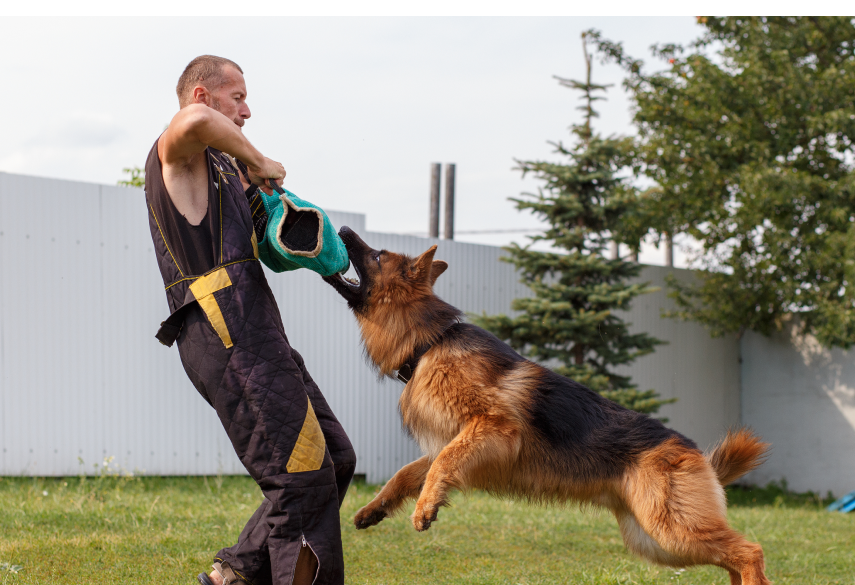
Pulling is the most common walking complaint — and the most fixable. Dogs pull because it works: they get where they want to go faster. The trick is to make walking beside you more rewarding than pulling.
1. Reward the position you want
Every time your dog is next to you with a slack leash, mark it ("yes!") and reward at your side. Early on, reward every few steps.
2. Become a tree
When the leash goes tight, stop. Wait until there's slack, then move forward. Consistency is everything — if pulling sometimes works, your dog will keep trying.
3. Change direction
If your dog surges ahead, cheerfully turn and walk the other way. Reward when they catch up beside you.
4. Use better equipment
A front-clip harness reduces pulling power without causing pain. Avoid prong and choke collars, which can injure and increase anxiety.
5. Let them sniff — on cue
Sniffing is a powerful reward. Say "go sniff" and let your dog explore as a reward for walking nicely.
6. Burn energy first
A short game of fetch or tug before the walk makes it easier for an excited dog to focus.
7. Get everyone on the same page
If several family members — or a dog walker — walk your dog, agree on the same cues and rules. Share your training plan with your walker in the booking notes so they can reinforce it.
Most dogs improve noticeably within two to three weeks of consistent practice. For reactive dogs or strong pullers, a certified positive-reinforcement trainer is a great investment.
Need a hand with daily walks?
Find a reviewed, local dog walker and book an open slot in minutes.